Israeli Invasion of Syria 2024 - 2026
On 8 December 2024, a major offensive by Syrian rebel forces, led by various factions such as the Islamist group, Hayat Tahrir al-Shaam, collapsed the Assad regime. This ended the 13-year long Syrian Civil War. However, while Assad was being deposed, on the same day Israeli forces launched ground and air operations into Syrian territory. This effectively ended the Syrian-Israel 1974 treaty and has resulted in a continuous Israeli presence in southern Syria. This presence has included air strikes, routine incursions into Syrian villages, and regular arrests of residents. While the US has attempted to facilitate a peace process between the two sides, at the time of writing, no agreement has yet transipired.
The following is intended to act as an explainer for the past two years of Israeli-Syria relations, providing a broad overview of the situation. This information provided has been gathered using Open-Source Intelligence methods (OSINT).
Context: The 1974 Israel-Syria Disengagement Agreement
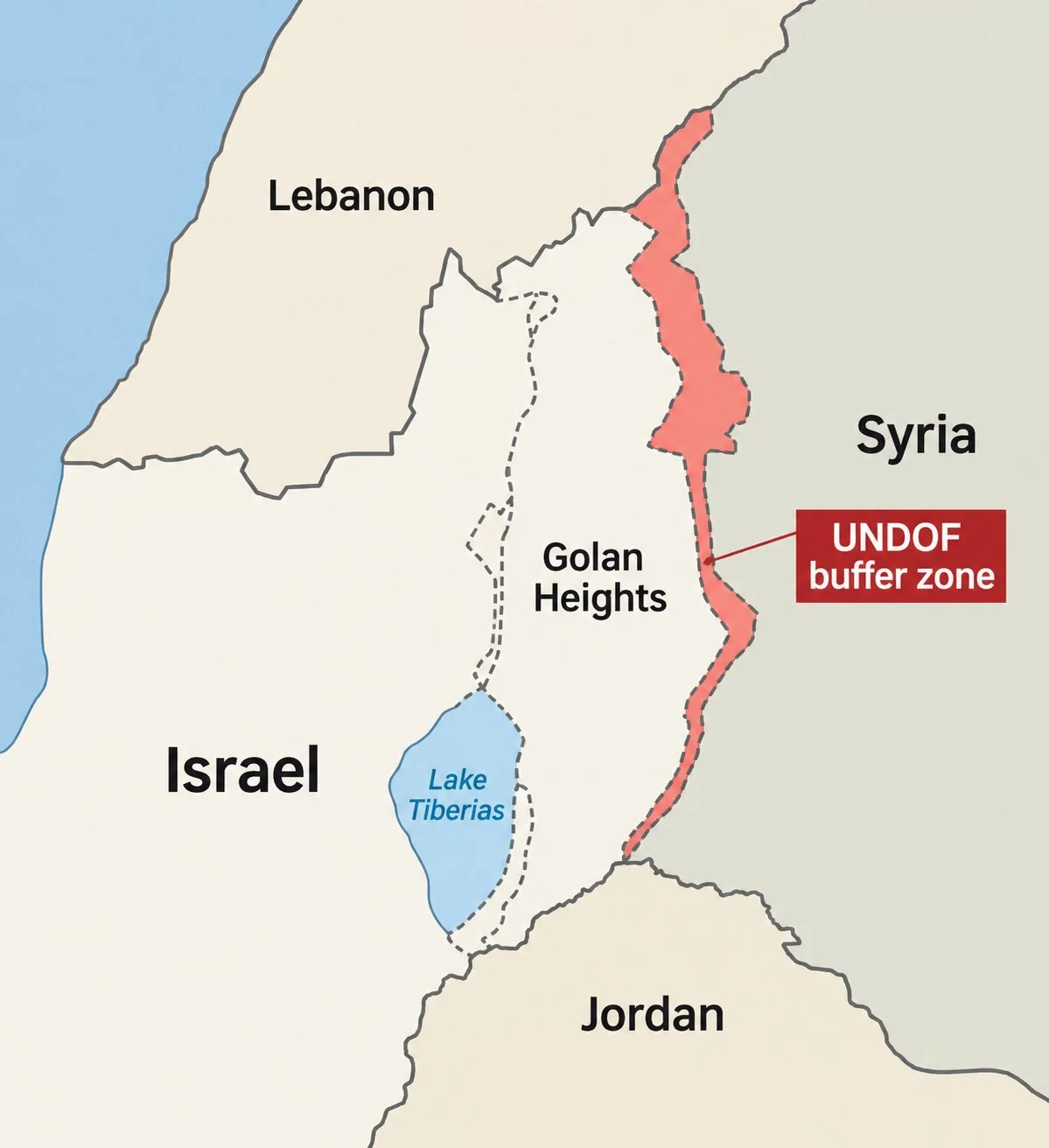
Following the 1973 Fourth Israel-Arab War (AKA Yom Kippur War), on 31 May 1974, Israel and Syria signed an agreement that ended the hostilities between the two countries. Establishing a ceasefire, the agreement also outlined troop placement restrictions and established a geographic buffer zone in which the UN Disengagement Observer Force (UNDOF) would be stationed. This buffer zone was not established along the Israeli-Syria border, but instead was established along the Israeli occupied Golan Heights and territory under control of the then-Syrian government.
On 8 December 2024, in concert with the Israeli invasion into Syria, then-Israeli Prime Minister Benjamin Netanyahu declared that the agreement had ended with the Assad regime.
8 December 2024 Israeli Operation and resulting consolidation
The 8 December 2024 Israeli offensive into Syrian territory involved Israeli ground forces moving into and seizing the UNDOF buffer zone, including Mount Hermon, with reports indicating movement deeper into Syrian territory. Israel also declared that it had conducted approximately 480 airstrikes between 8 – 10 December 2024 with the aim of degrading military capabilities within the country and claimed to have destroyed the Syrian naval fleet. Strikes were also reported in the Syrian capital of Damascus. Israeli kinetic operations have continued to date involving routine incursions and arrests in villages in southern Syria along with air and artillery strikes.
At the beginning of 2025, the IDF also began to consolidate their positions in the UNDOF buffer zone, constructing at least nine outposts, including two on Mount Hermon.
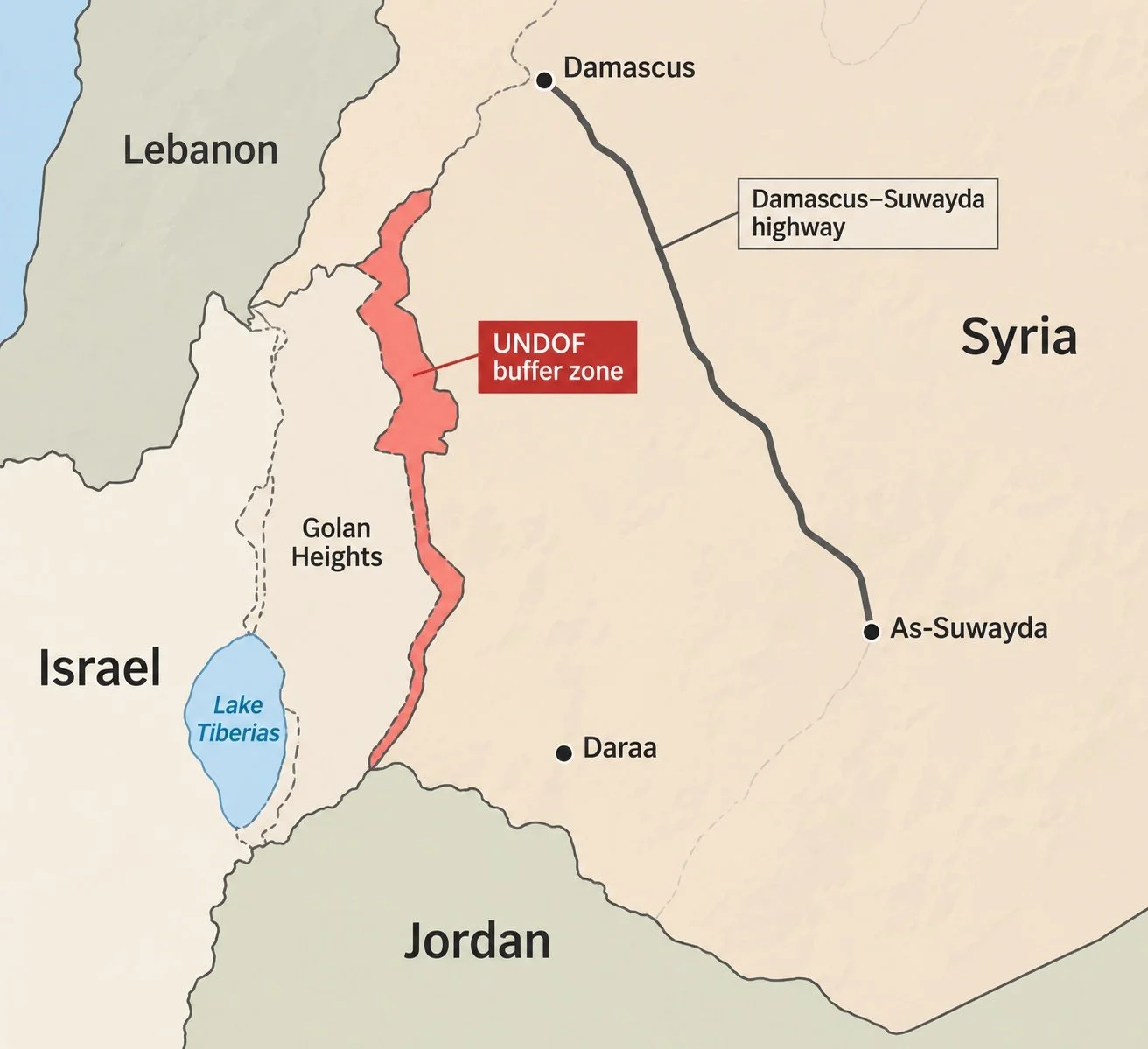
In February 2025 statements by Netanyahu and the then-Israeli Defence Minister, Israel Katz indicated that the IDF would actively deny the new Syrian government’s forces entry into a [new] “security zone” within southern Syria. This zone would be in the area “south of Damascus” and extend from the UNDOF buffer zone to the Damascus-Suwayda Highway.
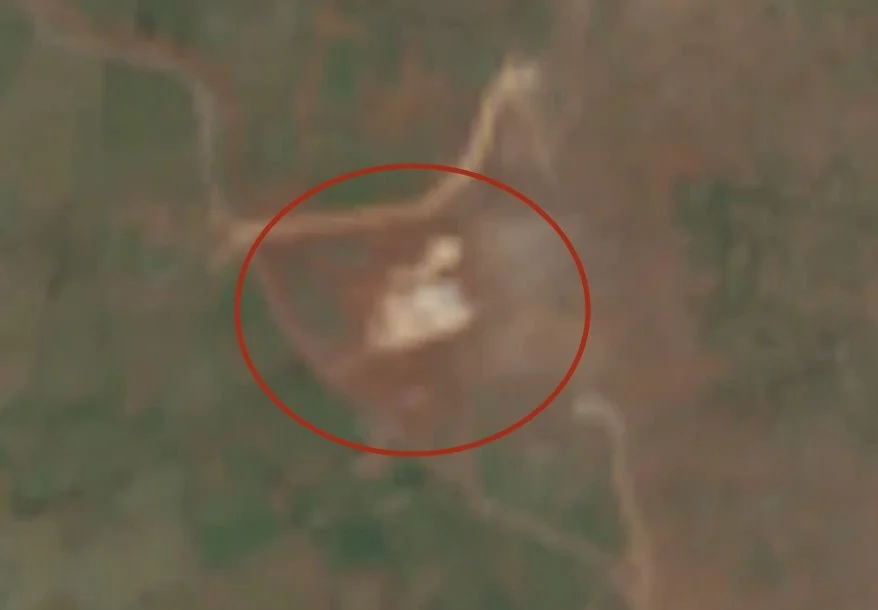
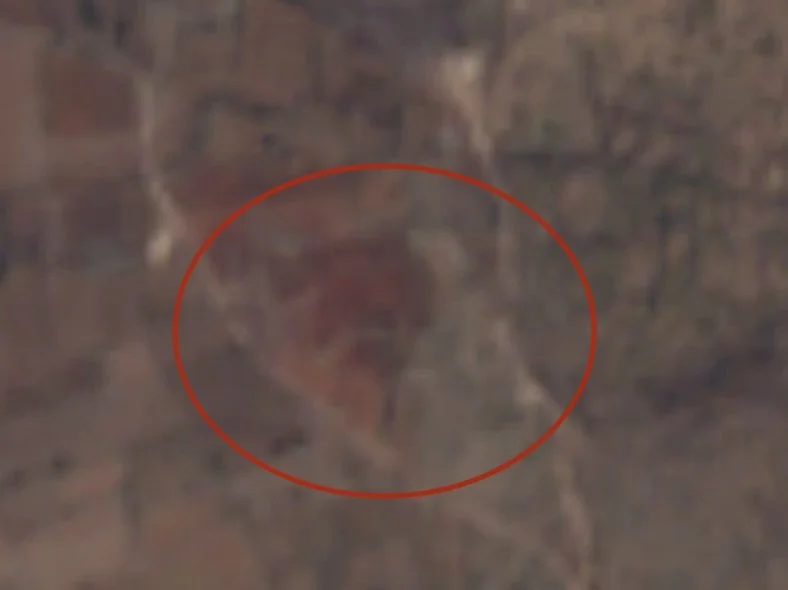
The above images are taken from open source satellite imagery and depicts an area near the Syrian village of Jubata al-Khasab before and after the IDF constructed an outpost.
Druze involvement
In February and March 2025, the new Syrian government’s forces came into conflict with populations of a religious minority group, the Druze. The violence prompted Netanyahu and Katz to order the IDF to make preparations to protect the Druze, however the clashes had elapsed by 2 March. While a deal was reached between the Druze and the Syrian government, the conflict resumed in April 2025 when unknown gunmen fired upon a Druze militia group. During this round of escalation, a Syrian human rights group accused the Syrian Ministry of Defence of executing civilians.
On 30 April, the IDF conducted air strikes against a group in the outskirts of Damascus, alleging it was preparing to conduct attacks against the Druze in Al-Suwayda. The Syrian government stated that the strike killed a security officer and injured several others. This was followed by a 2 May air strike against the Syrian Presidential Palace in Damascus, with the IDF warning the government to halt attacks against the Druze.
Attempts at diplomacy
In May 2025, Syrian President Ahmad al-Sharaa acknowledged indirect talks with Israel, with direct negotiations, backed by the US, beginning in the Summer of 2025. Syrian cabinet officials have publicly stated they are seeking a return to the 1974 disengagement agreement along with an end to Israeli operations and strikes within the country’s territory. Israeli demands reportedly include the continuation of a demilitarised zone in southern Syria as well as provisions for the protections of the Druze communities, such as a land corridor to Al-Suwayda. Syria has rejected the latter demand, describing it as a breach of its sovereignty.
Talks have continued into 2026 but reportedly broke down after Israeli strikes targeted an airbase in August 2026. In September 2026 Sharaa claimed that two sides had reached around 90% agreement before talks broke down. He maintained that the Golan Heights were Syrian territory, indicating that he would not relinquish Syria’s claim over the territory. In response, Katz claimed the Golan Heights was part of Israel, and maintained that there would be no withdrawal from the security zone so “long as there is a jihadist threat to the border and Israeli communities”.
Possible Implications
The Israel-Syria dynamic is a key factor when attempting to anticipate directions the Middle East may go. For example, US President Donald Trump has floated multiple times that Syrian forces could intervene against Hezbollah in Lebanon which is also currently facing an IDF occupation. Syrian forces are already conducting operations to prevent Hezbollah smuggling in resources via Syria from Iran. As Israel’s key ally, the US-Syria-Israel dynamic has potentially large implications.
Similarly, there have been multiple reports indicating that the Syrian government has been approached by Saudi Arabia to assist in combatting the Houthis in Yemen. Israel-Saudi normalisation continues to be a goal amongst Israeli decision makers, likely providing the Syrian government some leverage or advantage if they choose to commence operations in Yemen.
Taking these possible routes would dramatically change Syria’s current stance of strategic ambivalence toward Iran.
In conclusion, Syria has potentially a larger role to play in the coming months and years in the Middle East. Israel’s ongoing presence within the country will very likely be a large factor that determines how the Syrian government navigates within an increasingly volatile regional dynamic.